


Pop-Up Event Marketing: Tips for Maximum Impact
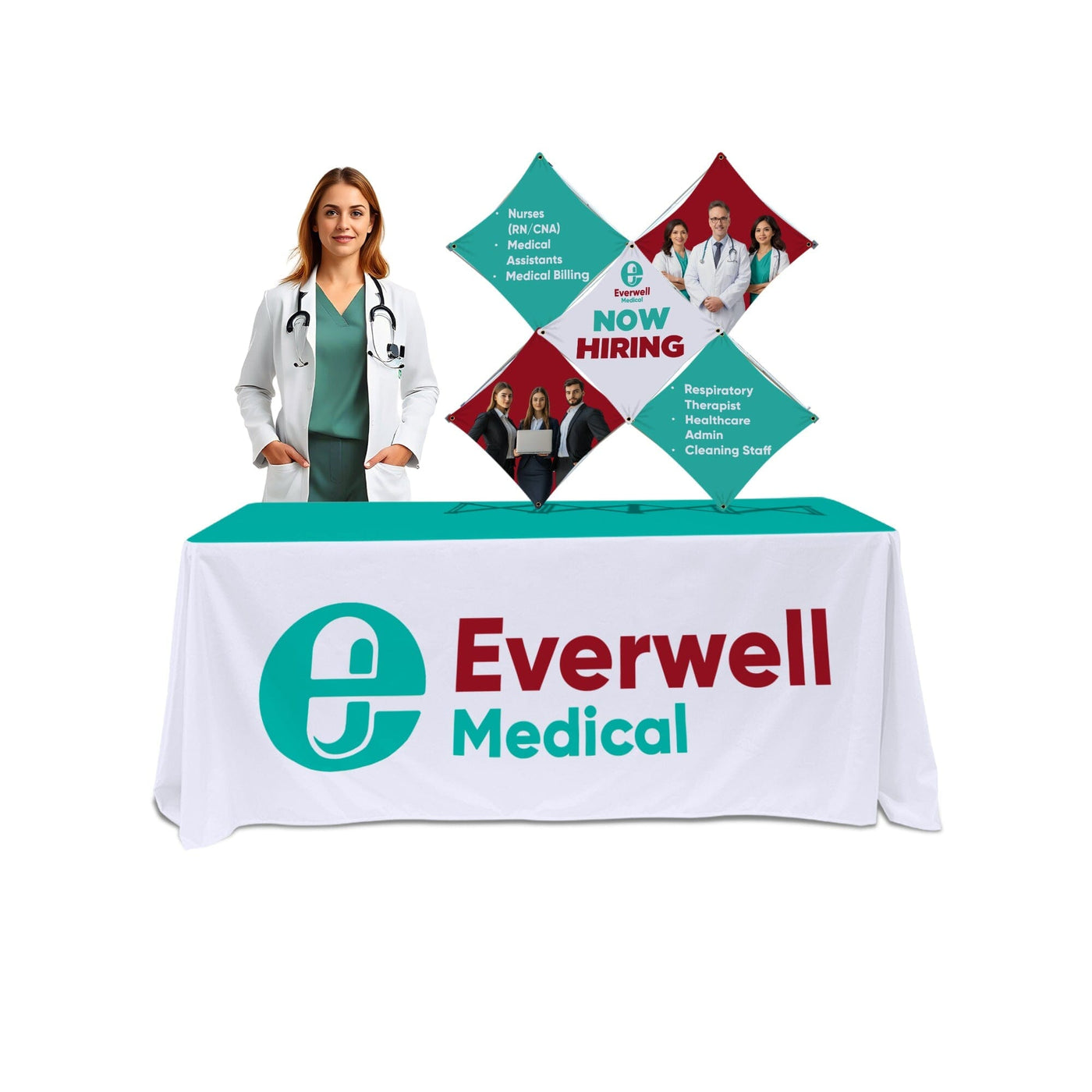
You already know how noisy the world is. Ads chase people everywhere. Attention lasts seconds. A good pop-up slows that down. It gives your audience a reason to stop, smile, and see your brand up close.
In this guide, you'll learn how to plan, budget, and bring your pop-up to life. Find out how to design one that draws crowds, builds loyalty, and leaves people wanting to see you again.
What Is a Pop-Up Event?
A pop-up event is a temporary space with a lasting effect. It might look like a small shop in a busy street, a tent at a fair, or a mobile display that rolls into town for a weekend. The setup disappears fast, but the impression lingers.
Brands use pop-ups to meet people where they already are: at markets, festivals, or high-traffic spots.
These short bursts of presence create excitement, urgency, and the kind of face-to-face connection no ad can match.
Think of them as living billboards that talk back, laugh, and invite selfies. They turn curiosity into conversation and browsers into fans.
Not sure what kind of event fits your goals? Our event specialists can help you design a pop-up that attracts attention and converts it into action.
Types of Pop-Up Events and Activations
 An example of a custom pop-up display by LookOurWay
Pop-up events come in many shapes. Some fill a corner of a busy street; others take over a plaza or move from city to city. Each format serves a purpose. The best one depends on your target audience, your marketing strategy, and how you want people to remember your brand.
Here are the main types of pop-up events that help brands reach new audiences, build brand awareness, and create a memorable experience.
Retail Pop-Ups
A retail pop-up is a short-term storefront that brings your products to life. Think of a limited-time boutique or a travelling pop-up shop that appears for a week, draws a crowd, and disappears. Retailers like Nike and Starbucks have used them to launch new products, test pricing, and meet customers in person.
These setups work well for brands entering new markets or testing new designs. The charm lies in exclusivity. People love buying something that won't be around for long. Add good signage, smart lighting, and a friendly staffing team. You'll turn passing foot traffic into loyal customers.
Experiential Pop-ups
Experiential pop-ups go beyond selling. They create an immersive experience that tells a story. Think of an art-style installation, a branded cafe, or a sensory room where visitors can interact with your brand's identity.
This form of experiential marketing builds deep customer engagement and earns plenty of social media engagement. People take photos, share hashtags, and talk about it long after. A successful pop-up event like this blends design, storytelling, and an element of surprise. The kind that earns word-of-mouth faster than any ad.
Mobile or Touring Activations
Mobile pop-ups travel where your audience is, such as concerts, trade shows, or city events. They often use branded vehicles, trailers, or tents, creating a flexible event marketing activation setup.

An example of a pop-up trade show booth by LookOurWay
These activations work well for brands running national marketing campaigns or regional roadshows. They bring your brand's identity to different demographics while keeping your event management simple. Add interactive elements, quick giveaways, and a call to action that drives people to TikTok or your website for follow-up. You'll build a machine for real-time engagement.
(Explore our custom canopy tents and inflatables, perfect for mobile setups.)
Seasonal & Holiday Pop-Ups
These pop-ups thrive in high-traffic areas such as holiday markets, summer festivals, and back-to-school events. They help brands tap into community energy and capitalize on the natural sense of urgency during seasonal peaks.
Local businesses use them to reach new customers, clear inventory, or create limited-edition collections. With well-designed signage, clever giveaways, and smooth event planning, you can turn a short weekend activation into a quarter's worth of visibility.
Interactive or Product Showcase Pop-ups
These events focus on hands-on experiences. Guests can test, taste, or try your new product in real time. Pair that with live demos, friendly hosts, and influencers sharing clips on social media. Now you have a marketing tool that builds trust fast.
Interactive pop-ups are ideal for tech launches, wellness brands, and start-ups that want direct customer feedback. They also give you instant insights into what works. This becomes your very own focus group disguised as an event activation.
(Check out our custom flags and displays to streamline your next event.)
Want to see how different setups look in action? Browse our gallery of real-world pop-up displays and explore how brands turn small spaces into powerful stories.
How to Plan a Successful Pop-Up Event
A successful pop-up event starts long before the tent goes up. Good event planning is how people find you, move through your space, and remember you afterward. Here's how to plan your next pop-up from idea to setup.
Pick the Perfect Spot
Every great pop-up begins with location. The right location means steady foot traffic and the right demographic. Think about where your new customers spend time, such as high-traffic areas, markets, retail spaces, or trade shows.
If your goal is brand awareness, look for vibrant streets or community events where people already gather. For new product launches or limited-edition items, go where curiosity thrives. Consider college towns, festivals, or city centers.
Research local partnerships too. Teaming up with local businesses or retailers gives you built-in exposure and access to their customer base.
Get Your Permit & Permissions Early
Don't skip the paperwork. A smooth pop-up experience depends on good preparation. Each city has its own rules on temporary storefronts, giveaways, and sales permits.
Contact your local authority early. Ask about noise limits, food licenses, or power connections if needed. Keep copies of everything in your event management checklist. It's not glamorous, but it saves time and prevents delays once you're on-site.
A well-prepared event looks professional. It tells your visitors and your partners, you're serious about what you do.
Design What People Remember
Design tells your story before anyone speaks to your team. Every color, banner, and logo should feel like you. Good signage, creative interactive elements, and clear messaging turn a passing glance into a stop.
This is where visual tools like custom canopy tents, giant inflatables, and flags make the difference. They create height, movement, and energy that match your brand's identity. A well-branded setup also streamlines your social media engagement. People are more likely to share what looks great on camera.

An example of a giant inflatable by LookOurWay
Encourage visitors to tag your hashtag, post videos, and share their real-time experiences. These small moments build your word-of-mouth momentum online and offline.
(Explore LookOurWay's custom tents and inflatable costumes to find designs that attract and convert.)
Train a Team that Brings Energy
People make or break the moment. Your staff brings the energy that turns a short-term event into a lasting memory. Train them to greet warmly, guide gently, and make visitors feel at ease.
Plan the path each guest will take from entry to checkout to follow-up. Include small giveaways, quick demos, or QR codes that lead to your social media. These touches encourage customer engagement long after the event ends.
And don't forget the rhythm. Keep music low enough for conversation. Let guests linger. Every second they spend enjoying themselves adds to the story they'll tell later.
Partnering with the Right Display Provider
Great design doesn't happen by accident. It takes the right partner. One who understands materials, space, and the pulse of experiential marketing.
A professional display provider helps your setup stand strong in wind, sun, and crowds. They ensure your signage reflects your brand's identity and that your tent looks as good on day three as it did on day one.
At LookOurWay, we help brands design pop-ups that create impact visually, emotionally, and commercially. From pricing guidance to layout ideas, our team works with you to build something that fits your goals and budget.
Not sure which display setup fits your event? Our event specialists will walk you through options that match your audience, your vision, and your next event.
Budgeting for a Pop-Up: How Much Does a Pop-Up Shop Cost?
Every brand dreams of hosting a successful pop-up event, but few talk openly about the cost. There's no one-size-fits-all number. A pop-up shop in a small town market won't cost the same as a mobile activation at a national trade show. What matters most is knowing where your money goes and how to make every dollar count.
Let's break down what shapes your pricing, how to plan a realistic budget, and smart ways to stretch it without cutting quality.
Location and Permits
Where you set up defines your costs. Renting space in a mall or retail store costs more than a booth at a local event or outdoor market. High-visibility areas like city plazas or high-traffic areas come with bigger fees. But also more foot traffic and stronger brand awareness.
Permits are another line item. Each city has its own rules about temporary storefronts, event marketing, and selling in-person. Factor in vendor fees, insurance, and power access if needed.
Before signing any lease or permit, check your event planning timeline and confirm setup and teardown dates. A missed deadline can cost more than the permit itself.
Design and Displays
This is where your pop-up comes alive. Signage, color, and structure tell your story before your team says a word. The size and style of your display can shift your budget significantly.
Each tier fits a different marketing strategy. A small local business testing a product may keep it simple. While a global brand might build an immersive experience worthy of TikTok.
(At LookOurWay, brands often bundle tents, flags, and inflatables to streamline setup and save costs. It keeps the visual story cohesive, and the budget under control.)
Logistics and Staffing
Moving materials, shipping products, and staffing your team can make up a third of your budget. Factor in transport for large items like trade show booths, inflatables, or display arches.
Your team should match the event's scale. A small pop-up store might need two people. A larger activation may require a crew for setup, customer flow, and giveaways. Training matters; your staff shapes your customer engagement and the stories visitors share later.
And don't forget about follow-up. Gather emails or scan QR codes to re-engage your new audience post-event. The most profitable brands see the pop-up as the start of a conversation, not the end.
Materials and Reusability
Investing in quality pays off. Durable tents, inflatables, and signage can serve you across multiple events or new markets. They're designed to travel, store easily, and hold their color after long days under the sun.
Reusable assets are the silent heroes of good budgeting. Instead of buying new displays for every event, refresh them with small updates. Consider new graphics, lighting, or add-ons. It's a smart move that keeps your brand's identity consistent and recognizable.
Bundled Setup Options
Bundling helps reduce cost while keeping your brand message unified.
Example setup tiers:
-
- Starter Bundle: Custom canopy tent + teardrop banner (ideal for small businesses or local events)
- Growth Bundle: Tent + flags + inflatable tube man (for attention-grabbing activations)
- Premium Bundle: Inflatable arch + LED pillars + interactive games (for large-scale experiential marketing)
This approach simplifies event management and ensures your brand looks polished without overextending your budget.

An example of a custom teardrop banner flag by LookOurWay
Maximizing ROI
Money spent is only wasted when it's untracked. Set goals before you launch: lead counts, sales, or social media engagement. Use these as your compass.
Collect customer feedback during or after the event. Encourage posts and hashtags to amplify your reach. Small incentives like a discount or giveaway can spark word-of-mouth far beyond your short-term event.
When you design with purpose, your pop-up builds equity in your customer base and earns loyalty with every handshake.
Curious what your setup might cost? Request a free estimate. Our team can map out your pop-up experience based on your goals, audience, and budget.
Using Pop-Ups to Amplify Small Business Marketing
For small businesses, pop-ups are a great equalizer. You don't need a giant marketing budget or a national ad campaign to get noticed. A pop-up event gives you something better, a real moment with real people.
You can test a new product, meet your target audience, and collect honest customer feedback in one weekend. A small tent in a local market can spark more brand awareness than a month of online ads. It's marketing you can feel. The kind that smells like coffee, sounds like laughter, and leaves a lasting impression.
Team up with local businesses or share space with a brand that complements yours. Partner with influencers who already speak to your community. Offer samples, quick demos, or fun giveaways that turn passersby into fans. Then, keep the story going with photos, videos, and a good social media follow-up.
Every conversation, post, and hashtag keeps your customer engagement alive long after the event ends.
Join hundreds of small businesses that trust LookOurWay for their pop-up marketing, including neighborhood fairs and nationwide tours.
FAQs
How long should a pop-up event last?
Most pop-up events run anywhere from a single weekend to a few weeks. The key is to keep it short enough to create exclusivity and urgency, but long enough to build steady foot traffic. For small businesses, a 3-5 day window often delivers the best balance between buzz and logistics.
What's the best way to promote a pop-up before launch?
Start early and go where your audience already spends time. Use social media teasers, local event listings, and partnerships with influencers or nearby retailers. Short videos, countdowns, and behind-the-scenes photos work well for building anticipation and social media engagement.
What should I do after the event ends?
A strong follow-up plan turns a temporary event into long-term growth. Post photos and recap videos to extend the word-of-mouth effect. Send thank-you notes or special offers to attendees. Gather customer feedback. It's pure gold for improving your next activation and refining your marketing strategy.
Plan your Next Pop-Up with LookOurWay
Every great pop-up starts with an idea and the courage to show up. You've seen how planning, design, and clear goals turn a simple setup into a story people remember. The right space, the right look, and the right experience can move a crowd and build a brand faster than any ad.
At LookOurWay, we help you create moments that move people. From custom canopy tents to eye-catching inflatables, our design team can help you bring your next event to life.
Request a Free Design Mockup, or connect with our team to start planning your setup.
Trusted by leading brands nationwide for high-impact event setups.


