


Immersive Marketing: How to Engage Customers Through Experience
You spend time and money on ads. People see them, but do they remember? Most swipe, scroll, and move on. The message fades before it lands. What if your marketing didn't feel like another interruption? What if it felt like an experience your audience wanted to be a part of?
Immersive marketing gives you that chance. It turns passive viewers into active participants. It makes customers feel something, and feelings drive loyalty.
In this guide, you'll learn how to use immersive experiences to turn everyday campaigns into moments that stick.
What Is Immersive Marketing?
Immersive marketing pulls people into a story instead of leaving them on the outside. It mixes digital marketing with real-world activations so your audience engages in real-time. The focus is on customer experience, not static ads.
Think about the difference between a billboard and a pop-up. A billboard asks for a glance. A pop-up invites you to step in. You become an active participant. That shift creates emotional connections and brand loyalty.
Immersive experiences take many forms:
- Augmented reality overlays that let you see a chair in your living room.
- Virtual try-ons that show you how sneakers look on your feet. Virtual reality that drops you into a branded environment.
- AI-powered tools that personalize marketing campaigns on your smartphone.
- Even a simple QR code on a display can link an in-person event to social media platforms like TikTok or Instagram.
Brands that use immersive technologies stand out. Nike's AR try-ons and IKEA's AR furniture placement are simple, clear examples. Each shows how interactive experiences create memorable brand awareness. They turn potential customers into active participants in your brand's story.
Immersive vs Experiential Marketing
Immersive and experiential marketing overlap but aren't the same. One lives in digital spaces with AR, VR, and interactive tools, while the other happens in real-world events and activations.
Experiential Marketing: Live and In-Person
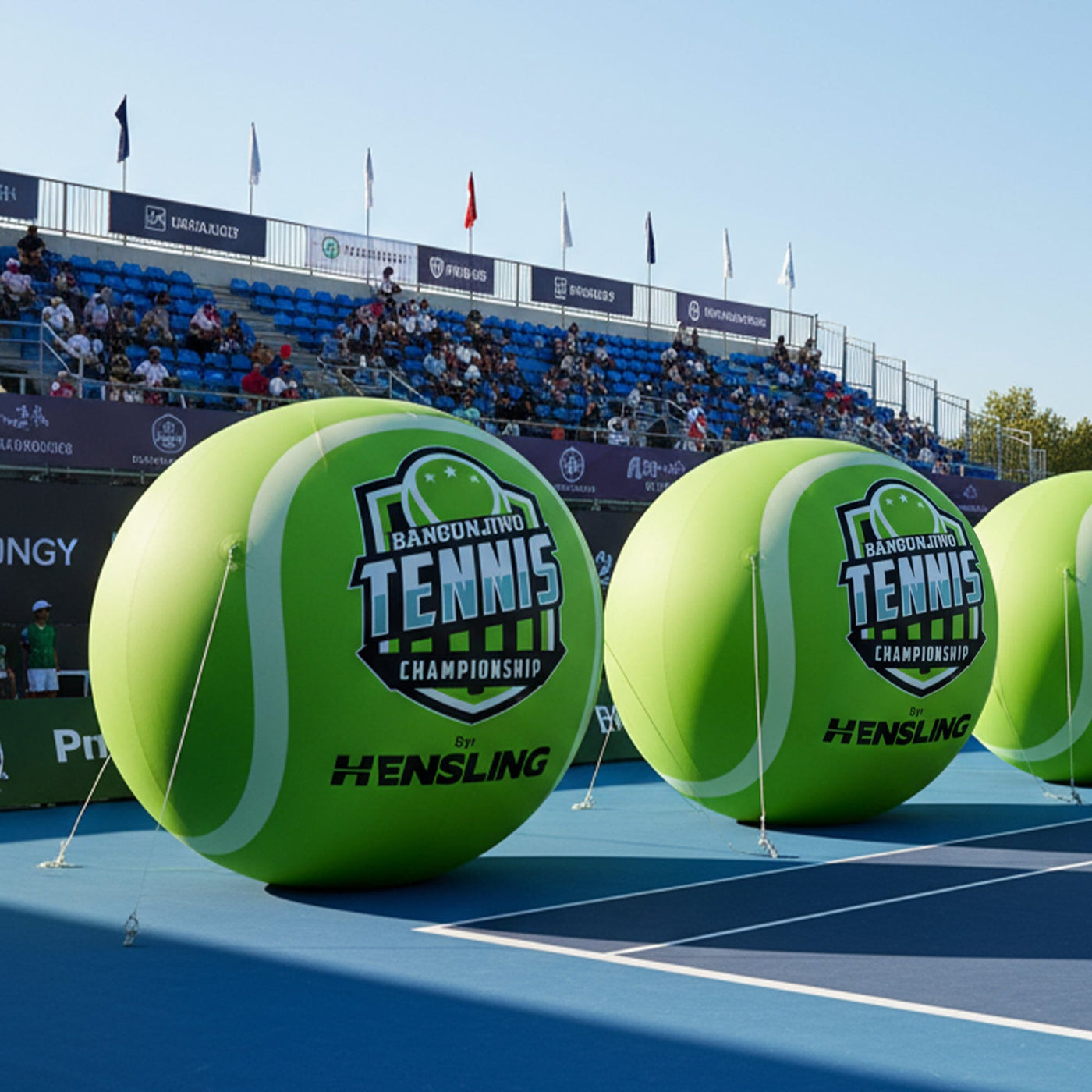
Experiential marketing gives your audience something they can touch. Think pop-ups, trade shows, or branded events. A canopy tent at a festival. A billboard-sized inflatable at a sports game. These touchpoints create memorable experiences in the real world.

An example of a custom canopy tent by Look Our Way
The goal is customer engagement. People walk in, try a product, or watch a live activation. You get brand awareness through direct interaction. These campaigns build emotional connections because the experience feels personal and immediate.
Immersive Marketing: Digital-First, Interactive by Design
Immersive marketing happens in digital environments. It uses augmented reality, virtual reality, and AI-powered tools to draw people in. It could be a virtual try-on for sneakers. A VR experience tells a brand's story in a way traditional advertising never could.
These immersive marketing campaigns move through smartphones and social media platforms. They make potential customers active participants.
Where Immersive and Experiential Meet
The strongest marketing strategy blends both. Imagine a trade show booth with an AR experience built into the display. It could feature a giant inflatable outside, and a QR code inside that launches a virtual demo.
In-person energy and immersive technologies create brand experiences people remember and share.
This mix turns marketing tactics into immersive brand experiences. It builds brand loyalty, improves user experience, and drives conversion rates. Your target audience gets a real-world connection and a digital extension at the same time.
Tools That Power Immersive Marketing Campaigns
Immersive marketing works when digital technologies meet real-world displays. Together, they create interactive experiences that pull people in, spark emotional connections, and improve customer engagement.
Augmented Reality (AR)
AR overlays bring products to life. A virtual try-on shows how sneakers look on your feet, and an AR experience places furniture in your living room. These activations turn digital marketing into an immersive brand experience your target audience remembers.
Virtual Reality (VR)
VR builds branded environments and virtual tours that feel real. A headset can place potential customers inside your brand's story. These immersive technologies make every user experience memorable and measurable with clear metrics like engagement time.

An example of virtual reality (VR) Image Source: Freepik
Artificial Intelligence and Personalization
AI-powered tools create personalized marketing campaigns. They use gamification, avatars, and animations to make content interactive. Real-time adjustments keep potential customers active and connected, increasing conversion rates and brand loyalty.
Social Media Platforms
Social media platforms extend immersive experiences. TikTok filters, Instagram AR effects, and livestreaming create shareable brand experiences. A simple QR code can turn an in-person activation into a viral campaign across social media.
Inflatables and Air Dancers®
Big, bold displays grab attention in real-world spaces. They create brand awareness and drive foot traffic. These touchpoints transform traditional advertising into live, immersive experiences.

An example of an air dancer by Look Our Way
Feather Flags and Banners
Flags and banners guide people to your space. They keep your brand visible, even in busy settings. Movement and design raise recognition and connect digital campaigns with in-person activations.

An example of a custom feather flag by Look Our Way
Reusable Balloons and Costumes
Balloons and costumes bring fun and energy to your marketing efforts. They break barriers and invite active participation. These displays turn potential customers into engaged audiences.

Reusable Vinyl Balloon Cluster Kit by Look Our Way
Custom Canopy Tents and Trade Show Booths
Tents and booths turn ordinary areas into branded environments. They offer real-time interaction at trade shows, festivals, and pop-ups. For your target audience, these in-person experiences become part of your brand's story.

An example of a 10x20 Backlit Trade Show Booth SEG Partition by Look Our Way
How Immersive Content Marketing Builds Loyalty
People remember what they feel. Immersive marketing works because it creates emotional connections that last longer than traditional advertising. A billboard fades. A pop-up or virtual try-on lingers because you were part of it.
When someone scans a QR code, tries an AR overlay, or joins a VR experience, the brand's story becomes theirs for a moment. That sense of involvement builds trust and raises brand loyalty.
Pairing real-world displays with digital extensions strengthens your marketing campaigns.
Consider a giant inflatable at a sporting event linked to a TikTok filter, reusable balloons at a retail launch paired with a smartphone activation, or a branded canopy tent at a festival with an AR experience inside. Each touchpoint works harder when physical and digital meet.
Virality comes from ease and fun. Gamification and AI-powered tools make sharing effortless. The more shareable your brand experiences are, the faster they travel across social media platforms. Metrics like engagement, conversion rates, and customer experience prove what you already see. People enjoy being part of something memorable.
Strategies to Launch an Immersive Campaign
Immersive marketing succeeds when you follow a plan. Here's a step-by-step path to build campaigns that people feel, remember, and share.
Step 1: Set the Outcome and Audience
Begin with a clear goal. Do you want brand awareness, deeper customer engagement, or higher conversion rates? Pick one primary outcome.
Then define your target audience. Who are they, what do they care about, and where do they spend time. On TikTok, at trade shows, or in local events? Your goal and your audience shape every decision that follows.
Step 2: Pick Metrics Before You Build
Decide how you'll measure success. Track scans of a QR code, time spent in a VR experience, social shares of a TikTok filter, or new leads captured at a booth. When you set metrics early, your immersive marketing campaigns stay focused and easy to evaluate.
Step 3: Map the Journey and Touchpoints
List every touchpoint your audience will encounter. Start with the first glance, maybe a feather flag or billboard.
Then, it was like a pop-up tent at the moment of entry. Add interactive experiences: AR overlays, virtual try-ons, or a gamified activation on a smartphone. Finally, the follow-up: an email, a social share, or a limited-time offer. Each step should feel seamless.
Step 4: Match the Format to the Context
Choose tools that fit the setting. Roadside traffic calls for feather flags or banners. A stadium event needs a giant inflatable or Air Dancer® to stand out in a crowd. Trade shows benefit from canopy tents and custom booths that have become branded environments. Retail launches thrive with reusable balloons or costumes that invite real-time interaction. Matching context to product ensures your brand experiences feel natural, not forced.

An example of a custom giant inflatable by Look Our Way
Step 5: Craft the Story, Then the Asset
Every immersive campaign needs a story. What's the brand's story you want people to step into? Write it in plain words.
Build the visuals and copy after the story is clear. Keep it simple. Use short phrases on banners, interactive instructions for AR experiences, or a single call-to-action inside a VR experience. People remember stories more than features.
Step 6: Pair Physical With Digital
Your in-person displays should connect with digital marketing. Add a QR code to an inflatable that unlocks an AR demo. Create a TikTok filter tied to a pop-up booth. Stream a live activation from your trade show booth to social media platforms. These links turn local moments into global reach and build brand awareness across channels.
Step 7: Choose Partners With Reach
Partnerships expand your campaign. Influencers bring trust and social proof. Event organizers give active participants access and handle logistics. Industry expos deliver potential customers in one space, ready to discover new brands. Pick partners whose audience overlaps with yours so your marketing efforts go further.
Step 8: Budget, Timeline, and Roles
Plan the basics. List costs for displays, rentals, staffing, influencer fees, permits, and shipping. Create a timeline that accounts for design, production, and shipping delays. Assign roles to avoid confusion during activation. Keep the plan simple, but flexible enough to adjust in real time.
Step 9: Pilot First
Run a small version of the campaign before you go big. Test how people interact with the inflatable, how long they stay in the VR experience, or if the QR code loads fast on different smartphones. Small tests reveal friction points so you can fix them before scaling.
Step 10: Scale What Works
Take what worked and replicate it. Use the same inflatable design in new cities. Refresh AR overlays with updated content. Expand successful pop-ups into multiple locations. Scaling means adapting proven tactics to reach more of your target audience.
Step 11: Nurture Loyalty After the Event
Immersive experiences should lead to lasting relationships. Follow up with potential customers. Share photos, user-generated content, or a short video recap on social media platforms. Send a thank-you with a simple offer. This step turns memorable experiences into long-term brand loyalty.
Measuring the Impact of Immersive Marketing
Every activation needs proof that it worked. Immersive marketing gives you ways to measure that proof in real-time. Track simple metrics: foot traffic at a booth, scans of a QR code, dwell time inside a VR experience, or shares of a TikTok filter.
Each number tells you how potential customers engaged with your brand's story. Conversions matter too. How many tried the AR overlay, joined the mailing list, or made a purchase after the event?
Unique promo codes and QR links clearly show ROI. They connect in-person activations with digital marketing efforts. You can see which inflatable, flag, or pop-up drove the most customer engagement.
Optimization is what keeps immersive marketing campaigns sharp. Use the data to refine placements, copy, or timing. A small shift, like moving a banner closer to traffic or simplifying instructions for a virtual try-on, can raise conversion rates.
Future Trends in Immersive Marketing
Immersive marketing keeps evolving as new tools and tactics emerge. These trends show where brand experiences are heading and how you can prepare your next activation.
AI-Powered Personalization
AI-powered tools will guide immersive marketing campaigns in real time. They use data from customer behavior to adjust overlays, gamification, and even animations on the spot. A virtual try-on can show the exact color a shopper prefers. An AI-powered display can change its message based on time of day or location. This level of personalization makes each brand experience feel unique.
Hybrid Trade Shows
Trade shows are no longer limited to in-person booths. The future blends physical presence with virtual environments. A custom canopy tent may showcase products on-site. While a VR experience allows remote visitors to explore the same activation online. This approach widens your reach, connecting local audiences with potential customers who join through digital marketing platforms.
Gamification
Games make immersive experiences stick. Scavenger hunts at festivals, AR pop-ups at retail launches, or interactive inflatables at sporting events give your audience a reason to participate. Each activation creates emotional connections because people enjoy play. Gamification keeps attention longer than traditional advertising and drives higher conversion rates.

An example of gamification. (Image Source: Freepik)
Metaverse Connections
The metaverse will not replace real-world marketing. It will extend it. Imagine a QR code on a feather flag that opens a branded virtual environment. An avatar could guide your audience through a new product demo, then direct them to an in-person booth for a free sample. These touchpoints connect physical and digital activations into one seamless customer journey.
Frequently Asked Questions About Immersive Marketing
How can you use immersive marketing for small budgets?
Start with simple activations. A feather flag, reusable balloon, or QR code linked to a short AR demo can create brand awareness without heavy costs.
What are immersive ads?
Immersive ads make you part of the message. Instead of a flat billboard, you step into an AR overlay, a VR preview, or an interactive activation on your smartphone.
What are some examples of immersive marketing?
Nike lets you try on sneakers with AR. IKEA shows how furniture looks in your home through an app. A giant inflatable outside a stadium pulls crowds in. Each one blends digital marketing with real-world touchpoints.
What does brand immersion mean?
Brand immersion happens when you feel surrounded by a brand's story. Imagine a canopy tent that becomes a branded booth, a pop-up that invites you to explore, or a VR experience that puts you inside the product.
What is Metaverse marketing?
Metaverse marketing uses virtual environments and avatars to extend reach. For example, a QR code on a feather flag can open a branded world where your audience becomes an active participant.
What role do influencers play in immersive marketing campaigns?
Influencers extend reach. When they join your activation, online or in-person, they turn passive viewers into active participants and help build brand loyalty faster.
Looking to Build an Immersive Customer Experience?
Your audience remembers moments, not ads. A billboard asks for attention. An inflatable or canopy tent gives people an experience they step into. A feather flag on a busy street can spark brand awareness faster than traditional advertising ever could. These touchpoints turn potential customers into active participants.
Immersive marketing works when real-world activations connect with digital marketing.
Look Our Way offers inflatables, custom canopy tents, and feather flags that turn ordinary events into immersive brand experiences. If your goal is to raise conversion rates, boost brand loyalty, or capture attention at trade shows and festivals, the right display gives you an edge.
Start with a free 1-hour design mockup and see how your brand can stand out. Explore displays that fit your campaign goals and bring your next activation to life!


